passports

The Paperwork Nobody Posts About: How to Keep Visa and Entry Forms From Derailing a Trip

Master your travel paperwork with this comprehensive guide to entry forms, visas, and passport rules. 

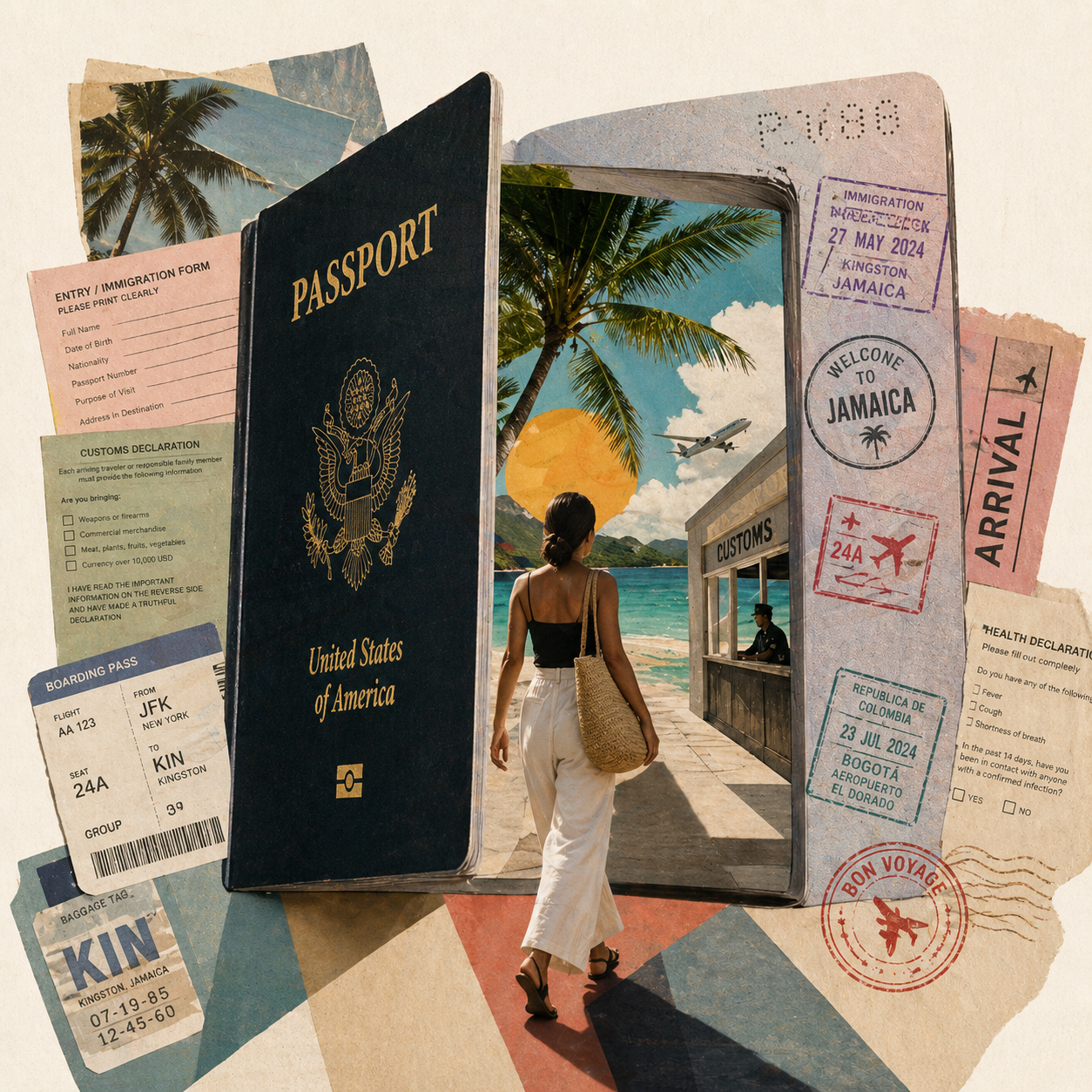
Collage of a woman on a beach looking up at a large bird made of visas, passports and other travel documents

I love the moment a trip starts to feel real. Flights booked, a rough itinerary sketched out, a few restaurants saved. But if I’m honest, the part that has most often threatened to derail my plans isn’t weather or missed connections. It’s the quiet, easily overlooked admin: entry forms, proof of onward travel, passport validity rules, and the “one more thing” a border officer can ask for when you’re already exhausted.

After a couple of hard-learned lessons, I now treat travel documents like packing: I start early, double-check details, and keep everything accessible. If you’re heading to the Caribbean, for example, one thing I sort out early is the Immigration Customs C5 Card for Jamaica, because arrival days go better when you’re not trying to type on airport Wi‑Fi with a low battery.
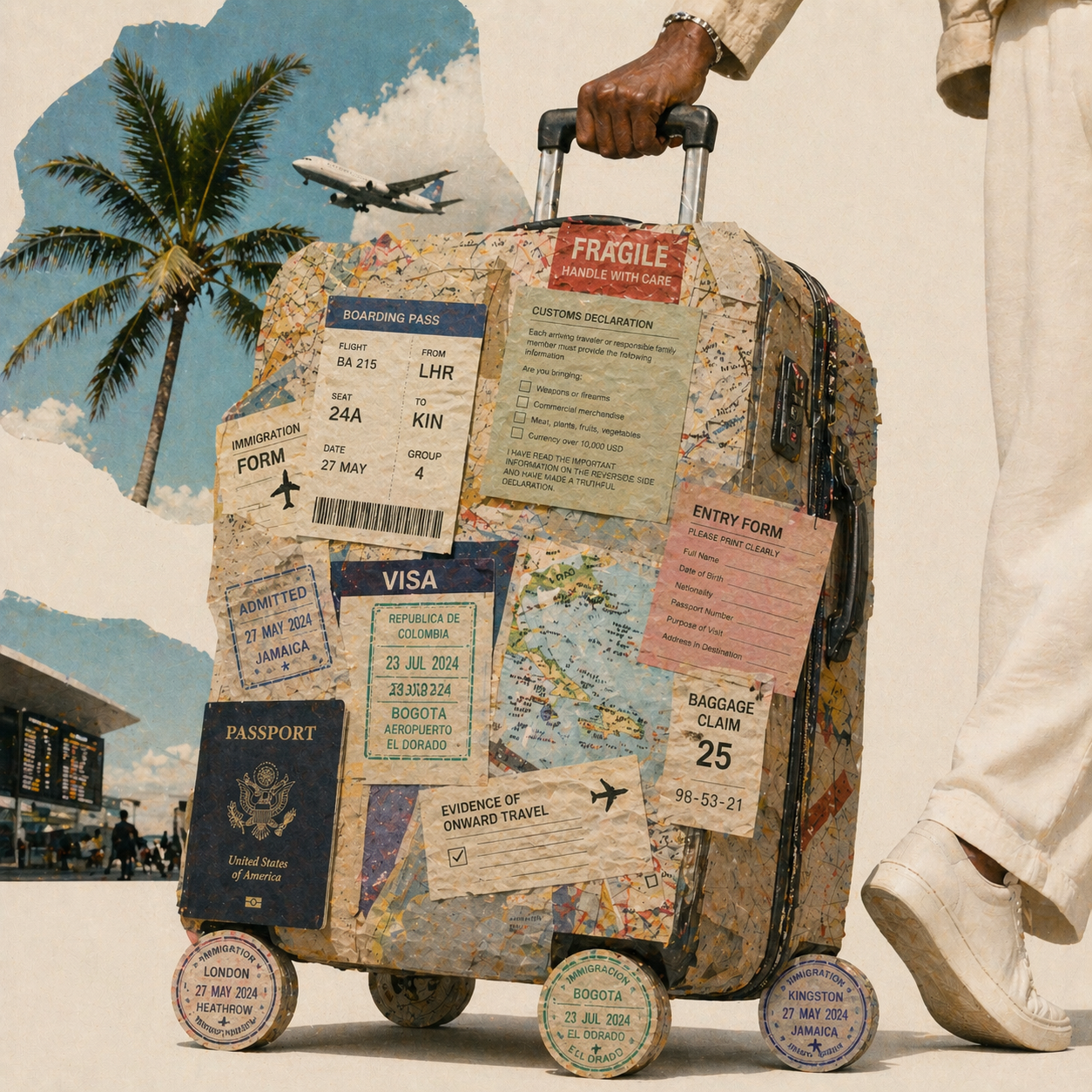
Collage of a traveler pulling a rolling suitcase covered in travel documents, including a passport

Why “Simple Entry” Still Comes With Real Admin

Even destinations that feel straightforward can have layers: different rules depending on nationality, transit points, length of stay, or whether you’re traveling for work versus tourism. And the rules don’t just live on one page. Airlines have their own checks, and requirements can shift with little notice.

I’ve found that it helps to think in categories rather than trying to memorize every country’s quirks:

  • Identity and validity: passport expiration rules (some places expect 3–6 months validity beyond your stay).

  • Permission to enter: visas, visa waivers or pre-travel authorizations

  • Arrival process: Customs and immigration forms, along with any required health checks or declaration procedures

  • Proof and backups: evidence of onward travel, your accommodation address and proof of sufficient funds (sometimes requested)

When I’m unsure, I start with official sources. The U.S. Department of State’s country pages are often a helpful reality check for requirements and safety updates.
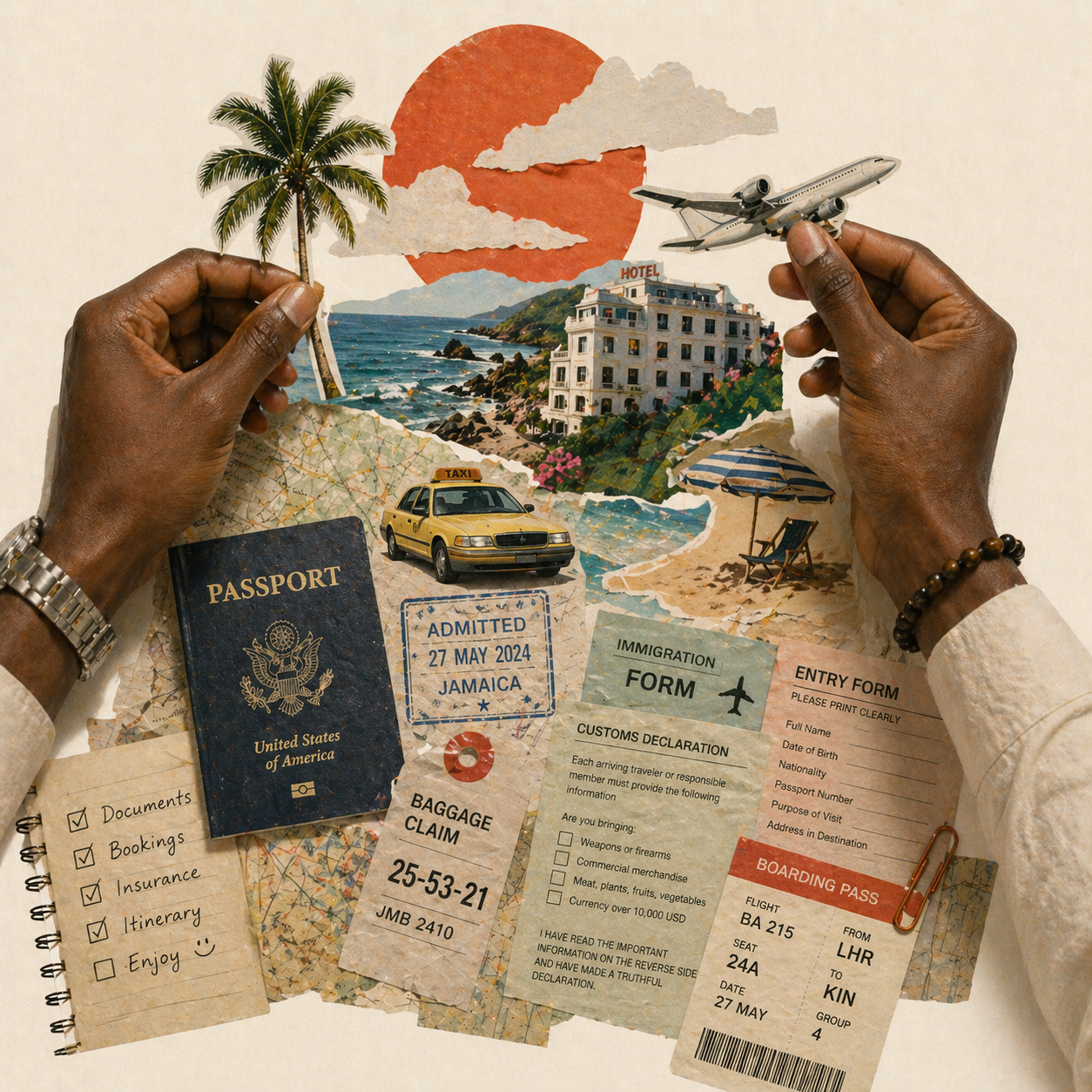
Collage of two hands making a collage, holding a palm tree and a plane, over a seaside hotel, taxi, passport and other travel documents

My Travel Doc Checklist

Over time I’ve built a routine that keeps me calm in the week before departure. It’s not fancy, but it’s reliable, and it’s saved me from last-minute scrambles more than once.

1. I verify requirements from a primary source. 

I cross-check what I’ve heard from blogs or friends against an official site. If I’m traveling in or through the EU region, I’ll often reference the EU’s official travel portal. For the UK, I use the government’s “Check if you need a UK visa,” too.

This step is less about reading every line and more about confirming the big questions: Do I need a visa? Is there an online authorization? Is there an entry form? What’s the passport validity rule?

2. I map the “document moments” in the trip. 

Most people think about documents at immigration. But I plan for three checkpoints:

  1. Online: applications, uploads, confirmation emails, QR codes

  2. Airline check-in: Staff may verify eligibility before issuing a boarding pass

  3. Arrival: immigration and Customs forms, declarations, and the occasional follow-up question

This is where small things matter. If an arrival form asks for your first hotel address, I put it in my notes. If it asks for an emergency contact, I decide ahead of time who that is (and store the number in my phone).

3. I keep a clean travel folder that works offline.  

I keep digital copies and a couple of printed pages, because phones die and data roaming fails at the worst times. My usual set:

  • Passport photo page (scan or photo)

  • Visa and authorization confirmations (PDF or screenshot)

  • Return/onward ticket confirmation

  • First-night accommodation and address

  • Travel insurance certificate (if I’ve bought it)

For practical health guidance and destination-specific considerations, the World Health Organization’s travel advice hub is also worth bookmarking.

Collage of a man holding a folder, with a large head behind him made of travel documents, a passport, lightning and a clock

Where Third-Party Agencies Can Help

There’s a growing ecosystem of independent agencies that help travelers navigate applications and entry paperwork. Used well, they can reduce errors, help you interpret instructions, and keep your submission organized, especially if you’re juggling multiple travelers, tight timelines or unfamiliar requirements.

They operate as independent agencies (not government services), and the value they tend to offer is process support: helping you understand what information is needed, checking for common mistakes, and keeping track of steps so you don’t miss a detail.

That said, I keep my expectations grounded. No third party can “override” official eligibility rules or guarantee approval, and you still need to read what you’re agreeing to, confirm fees and validate deadlines. The smartest use of an agency is as a second set of eyes, not as a substitute for responsibility.

Collage of a woman with roller suitcase placing a submitted form onto a monster made of travel documents

Common Mistakes I See (and How I Avoid Them)

Most document problems aren’t dramatic. They’re tiny mismatches that become big at check-in: a typo, a rushed upload, a date format issue, a passport that’s valid but not valid “enough.” Here are the pitfalls I watch for:

  • Name mismatch: Make sure flight tickets match the passport exactly (including middle names if used)

  • Passport validity misread: Check validity rules for your destination and any transit countries

  • Last-minute form filling: Complete entry forms early, when you’re not tired or distracted

  • Unsupported documents: Confirm file type, size limits and photo requirements before uploading

  • No backup access: Store confirmations offline and bring at least one printed copy of essentials

Most travel stress isn’t caused by the unexpected. It’s caused by the predictable thing we put off.

It’s not a perfect system, but it’s a realistic one, and it scales whether I’m doing a short island break or a multi-country work trip.

Everything in Order: A Calmer Way to Arrive

Travel is always going to have a little friction, but document prep shouldn’t be the part that drains your energy before you even land. When I handle the essentials early, passport checks, any needed authorizations and arrival paperwork, I show up with more patience for the inevitable delays that actually are out of my control.

If you want one actionable takeaway: Pick a date this week to do a 30-minute document run-through, then create a simple offline folder you can access without a signal. 

This single habit has made my arrivals smoother, my check-ins faster, and my trips feel like they start when I leave home — not when I finally find the right form in a crowded arrivals hall. –Helena Capdevila

The Visa Mistakes That Ruin International Trips — And How to Avoid Them

Learn the critical visa and passport requirements you need to know before booking your next international trip, from “stamps of doom” to the 6-month validity rule. 

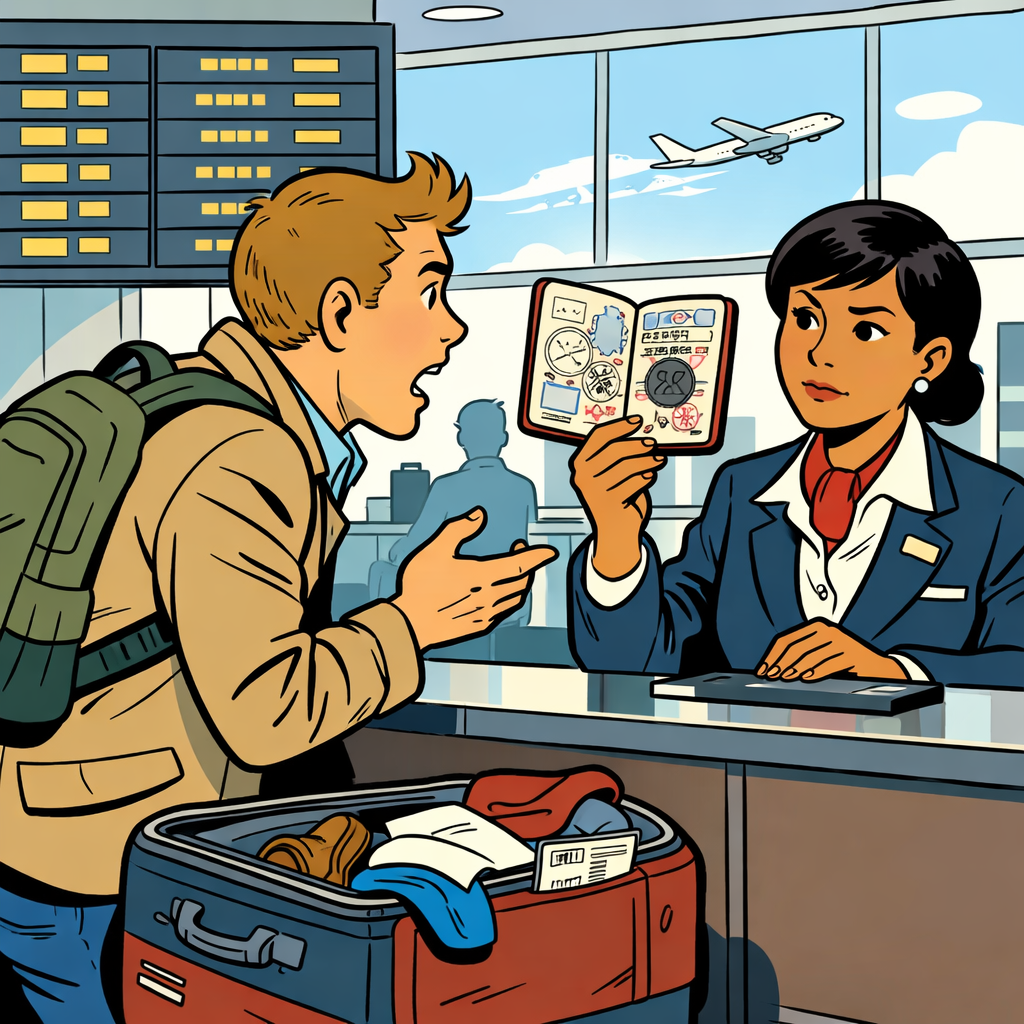
A woman holds up a passport at the check-in desk at an airport. A man is upset, and his suitcase open

V might be for “vendetta” — but in the travel world, it also stands for “visa” and “very complicated.” It’s the ultimate bureaucratic mountain that far too many eager travelers underestimate, and realistically, it’s the only thing standing between you and a cold mojito on the beach.

The harsh truth about international getaways is that border agents don’t care how much you paid for your flights. They don’t care about your perfectly curated itinerary. And they certainly don’t subscribe to your out-of-office notice. If they decide to cut your holiday short right at the check-in desk because of a minor visa issue, they absolutely will. 

If you show up to the airport with only four months left on your document, the airline will not let you board the plane.

So before you get too eager to board the plane, let’s have a look at travel requirements with HandleVisa, and how you can ensure you’re on the right side of the law.

A woman holding her passport looks out the window at the airport, watching her flight take off without her

Heartbreak at the Boarding Gate

Recently, a story published in The Times  highlighted the absolute devastation of travel bureaucracy. A traveler was heading off for a dream Scandinavian road trip, planning to hire a car in Denmark and drive up into the spectacular fjords of Norway. They had their itinerary perfected and their accommodations booked. 

However, when they handed their travel documents to the airline agent, they were abruptly denied boarding. The passenger was very sure their passport hadn’t  expired, so this denial left them baffled. 

Instead, they fell victim to a strict European entry regulation regarding the document’s issue date. Because their passport had been issued more than 10 years prior (even though extra months had been tacked onto the expiration date during a previous renewal) it was considered invalid for entry into the Schengen zone. In a matter of seconds, their vacation was completely ruined.

Sadly, this cautionary tale isn’t an isolated incident. Every single day, enthusiastic vacationers are turned away from their flights due to simple, entirely preventable paperwork errors.

A woman sits at an airport, looking in dismay at her passport

The Most Common Visa and Passport Mistakes

When it comes to international borders, government officials and automated computer systems offer zero leniency. One of the most frequent errors travelers make is simply applying for the wrong type of visa. It’s easy to assume that a standard tourist electronic travel authorization is sufficient for any short trip. However, if you’re traveling to attend a business conference, speak at an event or do a short consulting gig, a tourist visa is usually invalid. If a border agent suspects you’re traveling for business on a tourist waiver, you’ll be put on the next flight home.

Another massive pitfall involves passport timing and validity. As the traveler heading to Denmark learned the hard way, the expiration date printed on your passport page doesn’t always tell the whole story. The vast majority of nations enforce a strict six-month validity rule. This means your passport must remain valid for at least six months beyond the date you plan to leave your destination. If you show up to the airport with only four months left on your document, the airline will not let you board the plane.

Finally, don’t underestimate the importance of physical space in your passport book. Even as the world moves toward digital borders, physical stamps and full-page visa stickers are still heavily used in many regions. If you’re a frequent flier, you might run out of blank pages long before your passport officially expires. Attempting to cross a border with a completely full passport book can be a guaranteed way to be denied entry.

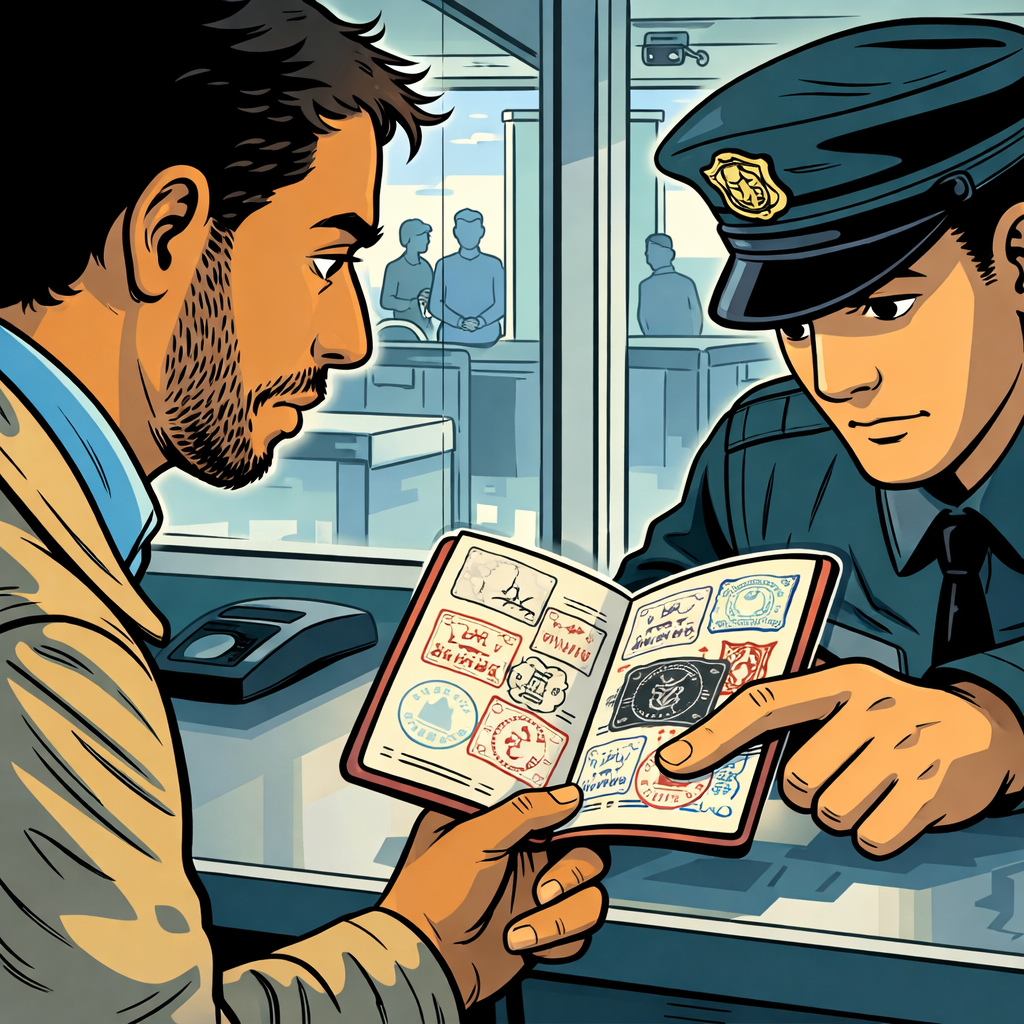
A Customs agent points to a troublesome "stamp of doom" in a man's passport

Weird and Unexpected Visa Rules Around the World

While checking expiration dates is standard practice, the globe is full of highly specific, quirky entry requirements and passport rules that catch even the most seasoned travelers off guard.

For instance, did you know that your own government can secretly ground you? It’s not just the destination country’s border agents you have to worry about. In the United States, for example, owing a significant amount of back taxes to the IRS or falling behind on child support can actually trigger an automatic passport cancellation. You won’t even make it to the departure gate, let alone the beach.

Then there’s the geopolitical “stamp of doom.” Having certain ink in your passport can automatically ban you from entering other nations, turning your previous vacations into a massive liability. The most famous example is the Middle East: If you have an Israeli passport stamp, you will be flat-out denied entry to countries like Lebanon, Kuwait and Iran.

Similarly, the United States has strictly tied its entry rules to your travel history. If you have visited Cuba in the last few years, you completely lose your eligibility for the quick and easy ESTA digital entry program. Instead, you’re forced to go through a grueling, expensive, in-person visa interview. Essentially, your passport tells a story, and some border agents will absolutely hold a grudge over the previous chapters!

A man hold his passport while he looks at his computer screen, where he got help with his visa

When Using a Managed Visa Service Actually Makes Sense

For solo travelers heading to an easy, familiar destination, filling out a quick digital entry form on a government website is usually a breeze. However, there are many scenarios where taking the do-it-yourself route is a false economy.

If you’re organizing a complex multi-country itinerary, coordinating applications for a large family, or applying for entry into a country known for high rejection rates, the anxiety of getting it wrong can be overwhelming. 

Modern digital border systems are completely automated, meaning a simple typo can result in an automatic rejection. When you consider the thousands of dollars you have invested in non-refundable flights and hotels, taking a gamble on complex government forms is incredibly risky.

This is exactly when utilizing a professional intermediary becomes a smart travel hack. By running your details through a service like HandleVisa, you essentially hire a digital safety net. These platforms act as a smart filter between you and the strict government systems. 

Protecting Your Travel Investment

At the end of the day, securing your international documentation should be treated with the same level of care as booking your flights. The world is going digital, but the rules governing how we move across borders are becoming stricter and more automated. By researching your destination well in advance, double-checking your passport validity, and using professional review services when the paperwork gets overwhelming, you can ensure your next international trip is memorable for all the right reasons. –Helena Capdevila