healthcare

Your Essential Travel Vaccine and Safety Guide for Latin America

Plan your Latin America adventure with the right travel vaccines, malaria prevention and dengue protection tips.
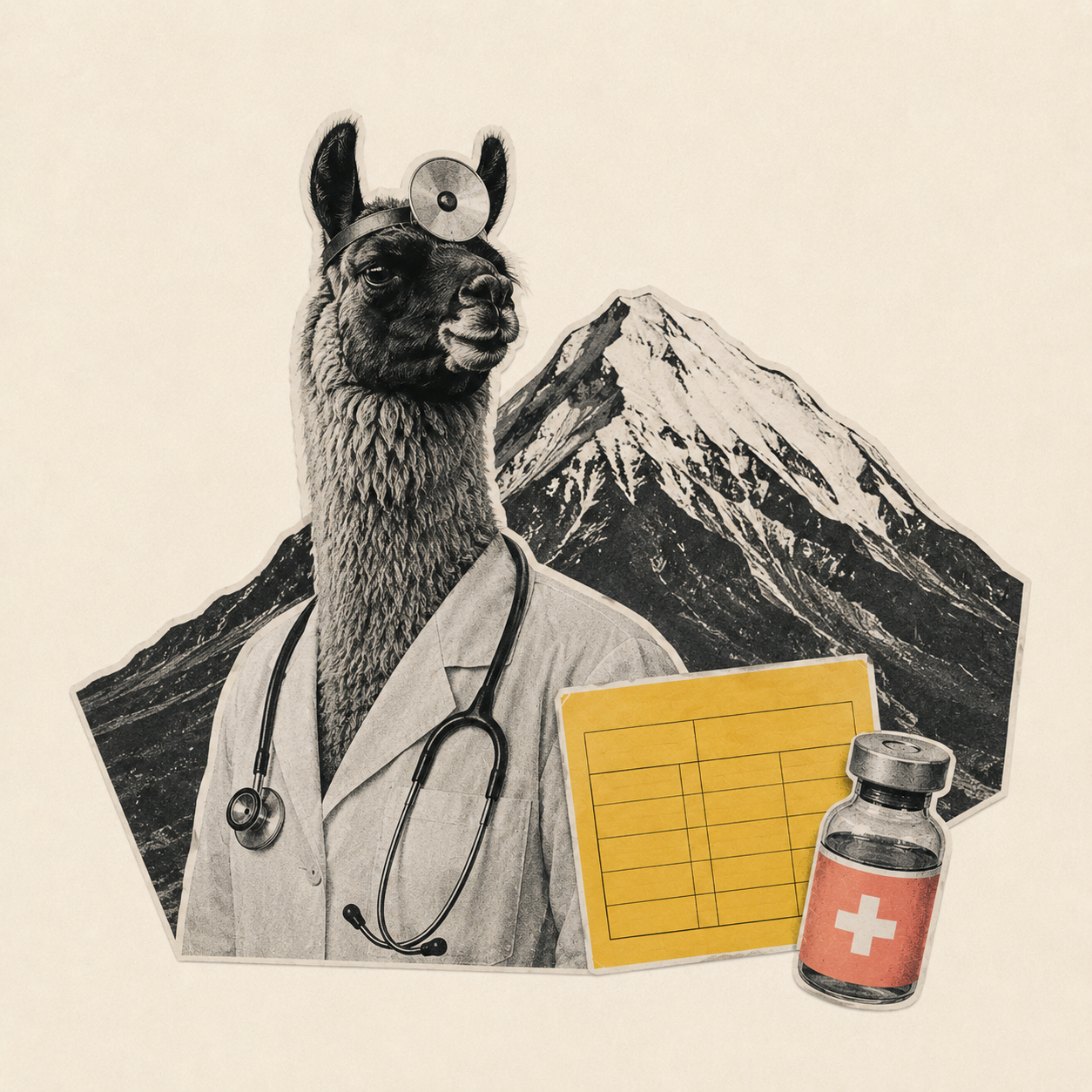
Vintage collage of a llama dressed as a doctor, with a mountain, vaccination card and vaccine

Latin America rewards travelers who like variety: rainforests and ruins, high-altitude cities and beach towns, street food and slow afternoons in sun-washed plazas. But before you get too deep into hotels, tours and restaurant tabs, take care of the unglamorous-but-important part: health prep.

A few weeks before you go, talk with your doctor or a travel medicine provider about your route. Depending on where you’re headed, you may need certain travel vaccines, malaria prevention or yellow fever shots. Once you arrive, daily mosquito protection is just as important, especially in places where dengue is a risk. A little planning up front can help keep your trip focused on the good stuff.
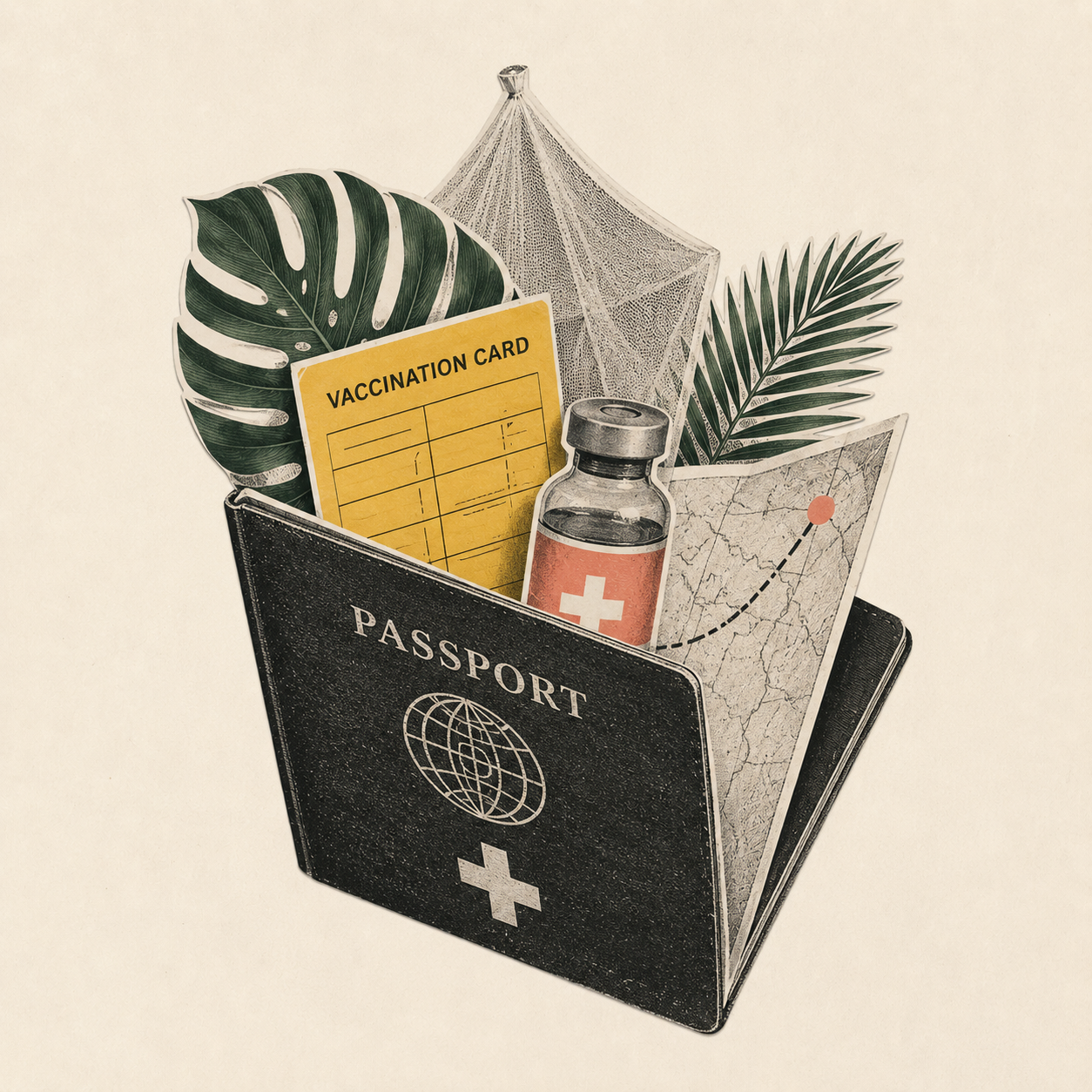
Collage with a folded passport with palm leaves, mosquito netting, vaccination card, vaccine and map inside

Getting Ready: Health Planning Before Your Flight to Latin America

Picture this: You’ve just landed in Cartagena, Colombia, the sea breeze hits your face, and you’re ready for adventure, not a last-minute scramble for vaccine paperwork. Health prep is one of the smartest parts of travel planning.

You should also review your regular shots (MMR, tetanus and influenza), which should be up to date. Some destinations require proof of yellow fever shots, especially if you’re crossing from high-risk countries.

If you’re planning a multi-country itinerary, take a look at travel vaccines for South America. This overview helps travelers understand the requirements by region, so nothing is missed between borders.
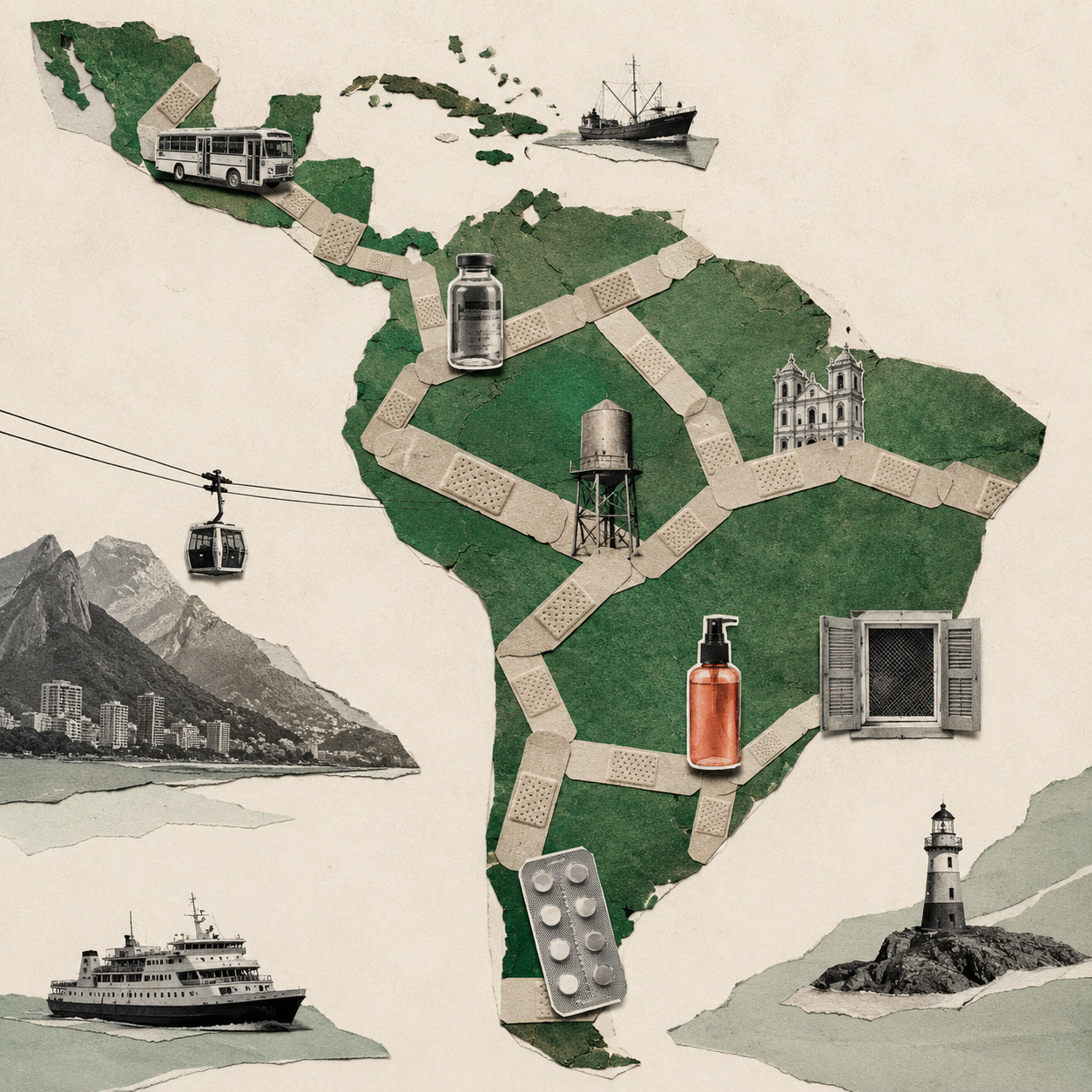
Collage of Latin America, with sky tram, ships, lighthouse, bus, church, water tower and other icons and roads created by bandaids

Country-by-Country Travel Vaccines Checklist

Latin America covers everything from tropical jungles to high-altitude cities, which means vaccine needs differ by geography as much as by country. For official country-specific guidance, visit the WHO travel vaccines page

Brazil 

  • Yellow fever shots: Required for many regions and strongly recommended for others, especially the Amazon basin and certain coastal states.

  • Malaria prevention: Needed for trips to forested and rural zones; not necessary for São Paulo or Rio de Janeiro.

  • Other: Hepatitis A, typhoid and routine updates like tetanus.

Cactus with spikes made of medical shots, on a column with a vial of vaccine

Colombia 

  • Yellow fever shots: Recommended in many rural departments but not needed for Bogotá or Medellín (high elevation reduces mosquito risk)

  • Malaria: Present in the Amazon, Chocó and Pacific regions

  • Other: Hepatitis A and standard vaccines are a must

Peru, Bolivia and Ecuador 

  • Yellow fever shots: Needed for Amazon regions; optional elsewhere

  • Malaria: Discuss tablets for jungle travel

  • Other: Consider rabies if visiting wildlife reserves or working with animals
Mayan temple with jaguar head with pills for eyes and medical syringes as columns

Central America and the Caribbean 

  • Yellow fever shots: Generally not required unless you’ve transited through a risk country

  • Hepatitis A and typhoid shots: Commonly recommended for food and water safety

  • Dengue: Mosquito control is essential year-round, especially in coastal and urban areas

Collage of airplane as a mosquito, with sun, palm leaf and map

Smart Malaria Prevention for Tropical Zones

The key to preventing malaria is combining medication with bite protection.

Here’s what seasoned travelers do:

  1. Start medication early as prescribed — usually before you leave, during your stay and after your return.

  2. Pack strong repellent (20%–30% DEET or picaridin) and reapply often.

  3. Sleep under treated nets if staying in lodges or rural camps.

  4. Cover up at dusk and dawn when mosquitoes are most active.

  5. Avoid scented products, which attract insects.

Your doctor can help you choose the right prophylaxis — options depend on location, duration and your medical history.

How to Avoid Dengue During Your Trip to Latin America

There’s no reliable dengue vaccine for most travelers yet, so bite prevention remains your best defense.

Use these habits daily:

  • Apply repellent in the morning and reapply throughout the day.

  • Wear light-colored clothing and long sleeves.

  • Stay in accommodations with screens or air conditioning.

  • Dump standing water around rooms or patios.

  • Try permethrin-treated clothing for added protection.

Even short trips can coincide with local outbreaks, so consistency matters. A few small habits can spare you from fever, aches and lost travel days.
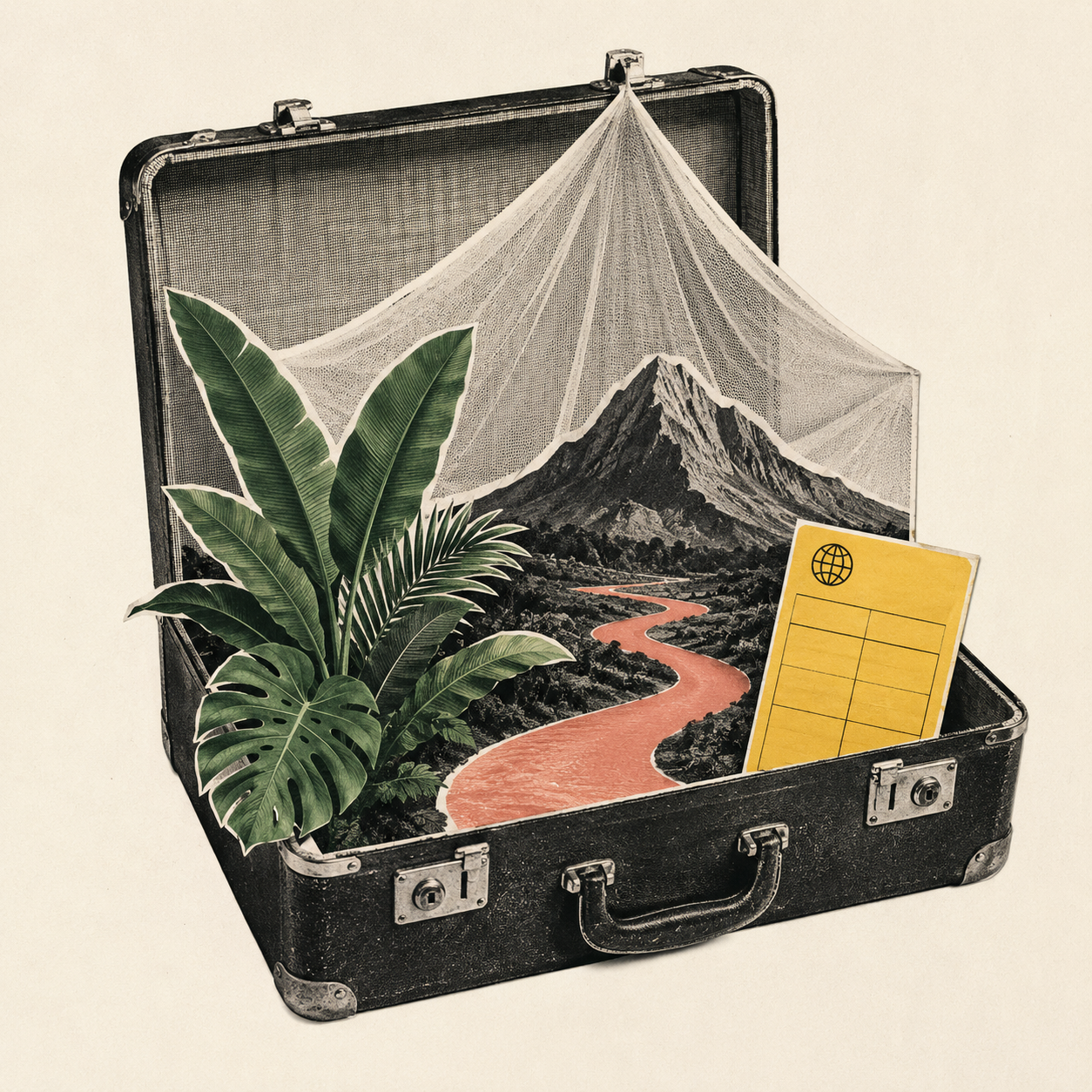
Collage with palm, mountain, red river, vaccination card and mosquito netting in a suitcase

After the Journey: Staying Alert Once Home

Returning from a tropical region? Keep an eye on how you feel for a few weeks. Fever, chills or unusual fatigue can be early signs of mosquito-borne infections or malaria relapse.

If you notice symptoms, let your doctor know where you’ve traveled and whether you took malaria prevention medication. Keep your International Certificate of Vaccination (the “yellow card”) in a safe spot, because you might need it for future trips.

Before You Go: Travel Vaccines, Malaria Prevention and Mosquito Protection

A great trip starts long before you step on the plane. Planning your travel vaccines, confirming yellow fever shots and arranging malaria prevention are quick steps that pay off throughout your journey. Combine those with solid mosquito bite protection and simple ways to avoid dengue routines, and you’ll explore Latin America with confidence.

Think of your pre-travel checklist as part of the adventure, something that lets you focus on the food, culture and moments that truly matter. Safe travels and good health wherever your path leads next. –Ethan Walker


How to Handle Travel Emergencies Like a Pro

Learn how to handle travel emergencies with unshakable confidence, from medical issues to lost passports. Discover how to stay secure and confident while abroad.

A handsome traveler smiles confidently amid the chaos of canceled flights, a thunderstorm and frazzled passengers

No trip goes exactly as planned. A flight could get delayed or canceled. Your bags might get lost. You or someone you’re traveling with may even have a medical emergency abroad. Sometimes things happen while adventuring, and knowing how to react can make all the difference. It’s especially important if you’re young, female and/or traveling alone.

The biggest factor is preparation, and that’s what this guide is for. I’ll show you how to manage emergencies, no matter where in the world you may be visiting. Every emergency becomes more manageable when you know what steps to take. Travel may not always be 100% certain, but preparation can give you a tremendous edge.

A woman rushes into a medical clinic past a doctor in a Spanish-speaking country with her bag and carry-on

Medical Emergencies Abroad

An injury or illness in a foreign country can be nerve-wracking, especially for those traveling with medical concerns.

The first step is knowing how to reach local emergency services. Whether it’s 911 or 999, research it before you go. Then, store it in your phone because you’re not going to remember it in an emergency.

Then, get a comprehensive travel insurance policy. This can be a lifesaver (literally) when it comes to evacuation or hospital costs. Keep your policy details in digital and printed formats. 

If there’s a language barrier, have a translation app downloaded already. Bonus points if it has an offline mode. If the situation really gets out of hand, you can always contact the embassy of your home country. 

A woman bending over her suitcase is alarmed to find that her passport has been stolen, while the thief escapes off her balcony of her hotel room

Lost or Stolen Travel Documents

Losing your wallet abroad is bad enough. But passports are one of the most commonly targeted items for theft. Losing yours or having it stolen is one of the most stressful situations imaginable while traveling.

Here’s what to do: Report it to local authorities immediately, and get a police report if you can. You’ll usually need one to process the replacement. 

Next, contact your embassy or consulate. They’ll guide you through getting an emergency travel document. This is where digital copies can help out a lot. Finally, before you travel, store scans of those important documents in a secure cloud location. Always carry copies separate from the originals. If you need replacement identification, being prepared can make it far easier. 

A man looks at his watch at an abandoned train station, while a shady character stands in the mist on the tracks

Transportation Disruptions and Delays

Travel plans tend to change frequently. Flights get cancelled, or connections are missed. During peak travel seasons, this happens even more frequently. There are some great transportation travel hacks to follow, but always remember to stay calm and reach out to airline staff quickly for rebooking options. Sometimes apps can also help you secure new seats faster if lines are long. 

Missed connections need a carrier communication immediately. Some airlines can help with accommodation or meal vouchers. If you have travel insurance, there may also be coverage for related expenses. If you’re traveling to or from the EU, travelers have certain rights.

When ground transportation fails, alternatives are typically available. It may be a regional bus or train connection, or even a private car rental.

Try to stay flexible with your plans and always budget extra time just in case you need to adapt. 

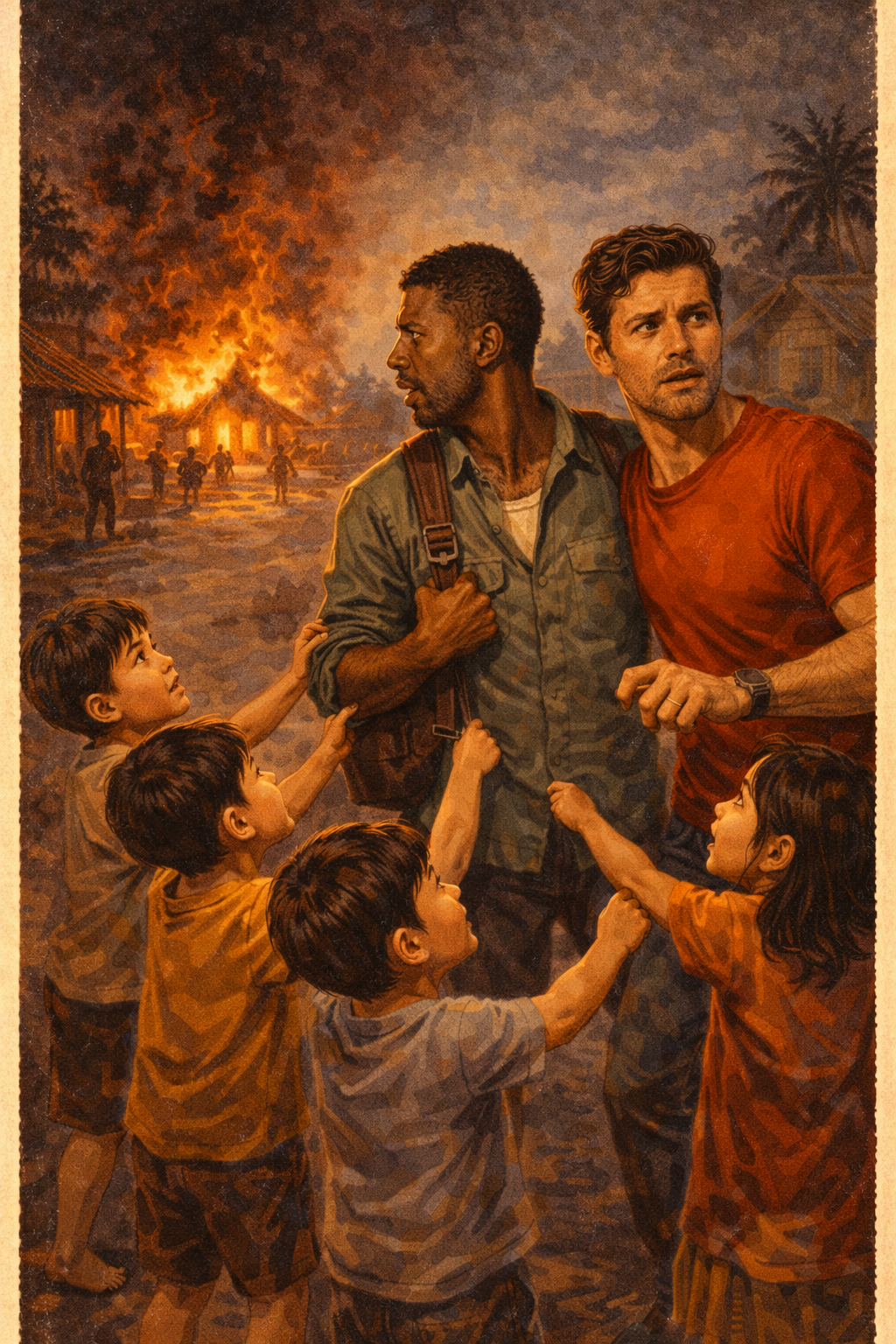
Thai children tug at a gay couple, trying to alert them to a fire in their village

Communication Breakdowns During a Crisis on a Trip

Communication problems are one way to make any emergency worse, right off the bat. You might be dealing with language barriers, cell coverage issues, or devices that are lost or have been stolen. Communication shortfalls can leave you feeling isolated. A little prep can help fight that. 

Download offline translation apps before you hit the road. Be sure you’ve saved key phrases that might be useful in health, travel or safety emergencies. For individuals who rely on their phone, consider an eSIM for data alongside a backup physical SIM card or enabling international roaming ahead of time. Be sure to stay in touch with someone back home. A trusted domestic contact can help speed things up.

A woman in a headscarf uses her laptop at a coffeeshop, while scammers loom behind her

Staying Secure on Public Networks While Traveling

Emergencies often force you to rely on public Wi-Fi in airports, hospitals or hotels. These networks are convenient but can expose personal data. Avoid logging into banking or sensitive accounts unless absolutely necessary — and always try a personal hotspot with your phone first.

Use secure connections whenever possible. Many travelers wonder, is public Wi-Fi safe when they're forced to connect during emergencies. While these networks provide necessary access, they often lack proper security measures and put your personal data at risk. 

Whenever possible, use trusted networks, enable two-factor authentication, and log out of important accounts after use. Protecting your data during a crisis prevents additional problems. It’s all part of confident card management while abroad.

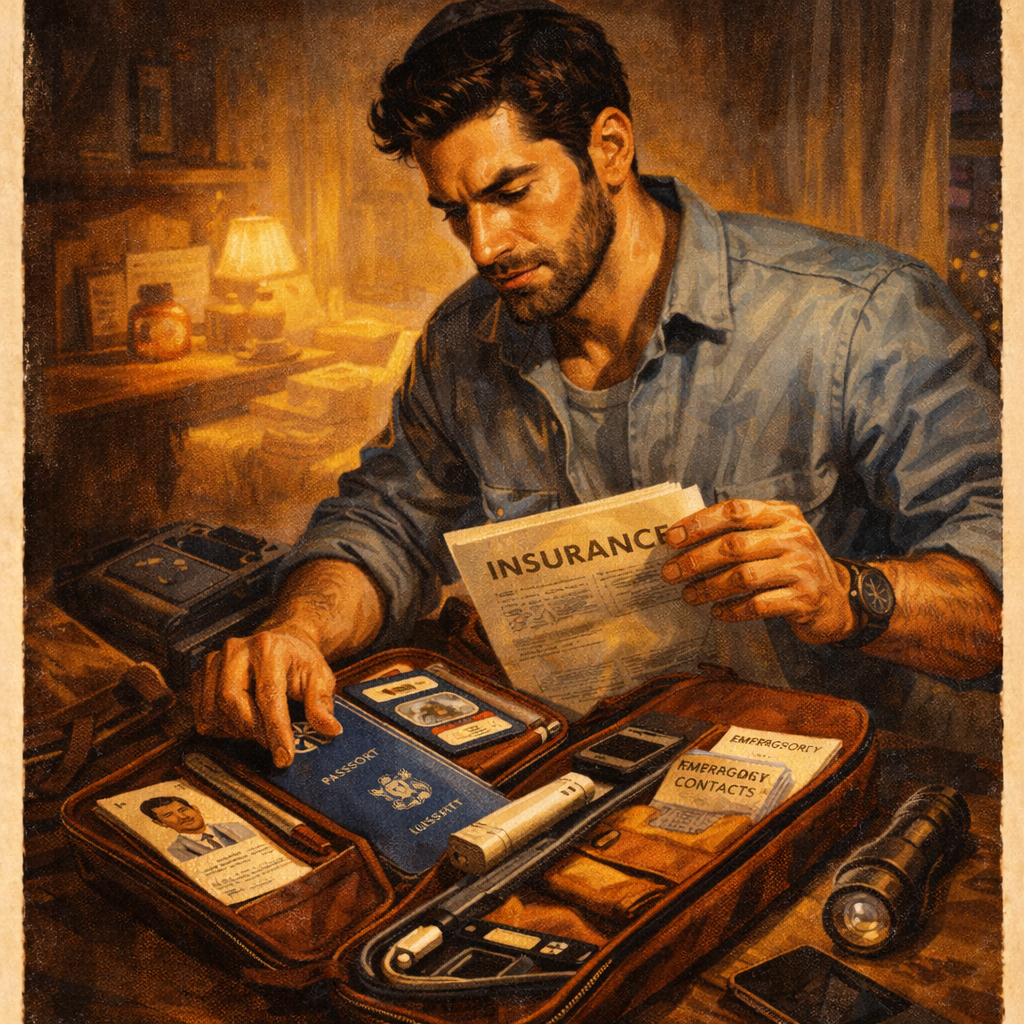
A man preps his travel emergency preparedness toolkit, with his passport, insurance policy, emergency documents and other items

Building a Travel Emergency Preparedness Toolkit

There are a lot of things you forgot to pack, and instantly regret. But even the most prepared individuals can’t be ready for everything. A small emergency kit can be crucial. 

The kit should have your printed copies of everything important, like insurance and your passport. Digital backups should be available in cloud storage. Always have offline maps downloaded and updated, along with emergency contacts. Don’t forget a portable charger and a power bank if you’ll be away from power for long periods — especially important for off-grid travel. 

A woman in a tank top confidently strides through a village, while shady men eye her and a tuktuk passes by

Getting Confident and Prepared for Travel

Travel emergencies are stressful, but they are rarely unmanageable. Preparation allows you to respond calmly instead of reacting in panic. By planning ahead, you can limit risk and travel more confidently. The smartest travelers focus on readiness, not regret. –Hector Norman

RELATED: The Rules of Traveling With Your Human (A Dog’s Guide to Pet Travel Etiquette)

Aging Abroad: What Happens When Wanderlust Meets Healthcare Reality?

Dreaming of retiring overseas? Just don’t forget the part where healthcare abroad can make or break the adventure.

Picture it: a cocktail in hand, sea breeze in your hair, and the smug glow of knowing your rent costs less than a latte back home. Retiring overseas is no longer a pipe dream — it’s a lifestyle choice gaining traction. Some chase affordability, others crave warmer climates, slower living, or cultures that actually value elders rather than treating them as invisible.

There’s also the undeniable thrill of slipping out of old routines — endless medical bills, icy driveways, and cookie-cutter schedules. Aging abroad feels like a second adolescence, only this time with better wine and an expat WhatsApp group. But while the sunsets are real, so are the shadows. And the biggest one? Healthcare.

When Health Complicates the Journey

A sprained ankle in your 30s is a funny travel story. A sprained ankle in your 70s can derail the whole adventure. Suddenly those cobblestoned streets aren’t charming — they’re a liability. Even with good insurance, medical care abroad is a maze. Some expats luck into private clinics with glossy waiting rooms. Others meet Kafka in scrubs: long waits, opaque procedures, and paperwork that makes taxes look fun.

And if independence starts slipping — dementia, chronic pain, mobility loss — distance from family can morph from liberating to isolating. The dream of freedom abroad can curdle into the nightmare of facing it all alone.

Elder Care: A Global Comparison

Here’s the truth: no country has cracked the code on perfect elder care.

  • Japan: robust policies, but family caregiving still carries much of the load.

  • Sweden: enviable systems, but coverage depends on region.

  • Latin America & Southeast Asia: private care may be affordable, but it’s often unregulated.

  • U.S.: many lean on nursing homes — structured, yes, but not risk-free. Understaffing and neglect have made more than a few families call a trusted nursing home abuse lawyer to fight for loved ones’ dignity.

The global patchwork is evolving, but consistency remains elusive. For expats, the question is less “Will care be available?” and more “Will it be available for me?”

Expat Vulnerabilities: No One Plans to Need Help

Living abroad comes with a seductive aura of independence. But aging can puncture that bubble fast. Falls, misdiagnoses, or slow-creeping memory loss all carry heavier consequences when there’s no family nearby to intervene.

And let’s be blunt: non-citizens aren’t always top of the priority list in public health systems. Residency status, language barriers, and red-tape legalities can turn an ER visit into a bureaucratic endurance test. Even fluent speakers get tripped up on medical jargon. And in cultures where elder care is expected to be family-driven, expats may find themselves dangling without a safety net.

These quiet risks don’t make glossy Instagram posts — but they’re part of the full picture, as this reflection on the deeper challenges of expat life reminds us.

Planning for the “What-Ifs”

The antidote to uncertainty? A plan — preferably before things get messy. That means:

  • Legal documents: local wills, power of attorney, medical directives.

  • Healthcare intel: know what’s included, what isn’t, and how private options stack up.

  • Residency requirements: some countries restrict benefits to permanent residents, others mandate proof of insurance.

  • Provider prep: research elder care facilities and caregivers now, not in crisis.

  • Social scaffolding: build strong community ties; they’ll matter more than you think.

As one account of how living abroad reshapes people over time suggests, optimism alone doesn’t cut it — perspective and preparation do. For a bigger-picture view, the World Health Organization’s global strategy on aging and health lays out how nations are trying (and sometimes failing) to meet the needs of their graying populations.

The Bottom Line on Aging Abroad

Aging abroad can be dazzling — full of freedom, discovery, and a life less ordinary. But it isn’t a fairy tale. It’s a story that requires honesty about frailty, foresight in planning, and the right community around you.

Preparation doesn’t diminish the dream. It sustains it. With the right groundwork, expats can age not with fear, but with clarity — knowing the sunsets and slow mornings will keep coming, even when health takes a turn. –Shahroz Yousaf